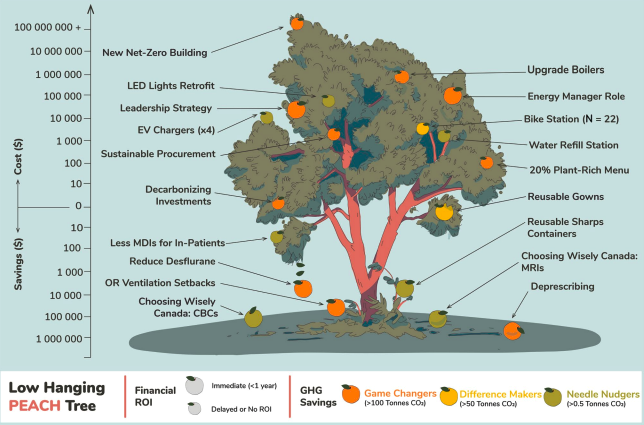
The low carbon fruit tree for primary care

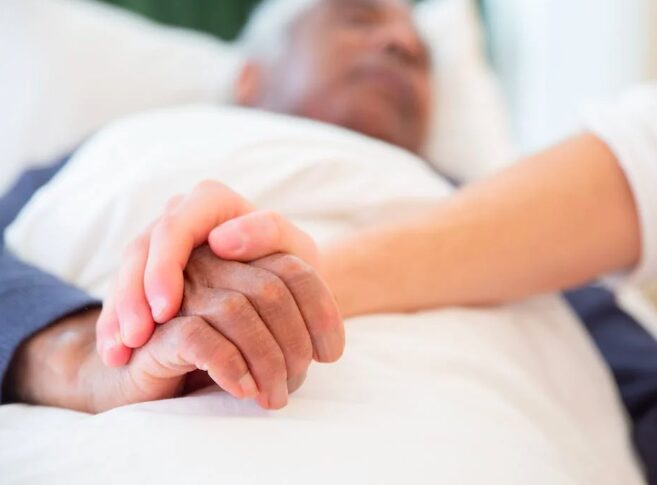
Why can’t we die at home? Expanding home care could reduce the financial and environmental cost of dying in hospital

Where would you like to be when you die? Seven out of eight people in Canada would choose to pass away at home where they and their loved ones would be more comfortable. And yet 56 per cent of people in Canada actually die in hospitals. If dying at home could be made more feasible and well resourced, … Read more

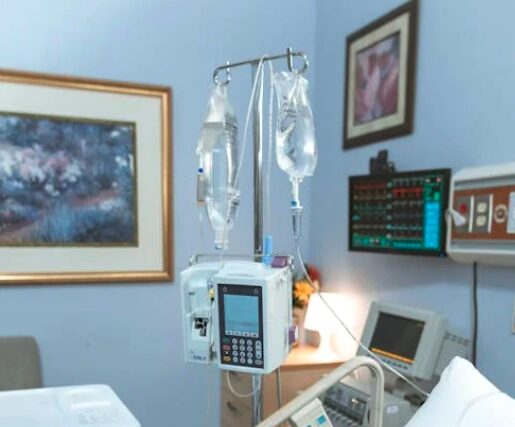
Carbon emissions associated with end-of-life care in the hospital setting

Healthcare contributes significantly to global warming and accounts for 4.4% of global greenhouse gas emissions. Additionally, the end-of-life (EOL) period is characterized by disproportionately high hospital use, which is both emissions-intensive and often contrary to patients’ wishes to receive EOL care at home. In Canada, end-of-life hospitalization accounts for almost 6 million hospital days and … Read more

The Environmental Side Effects of Medications: Reducing the Carbon Footprint of Psychiatry

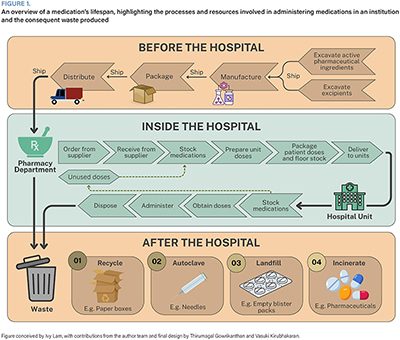
Physicians are encouraged to actively consider the environmental impact of medical interventions. Chief among these considerations is the environmental burden of medication development, production, and disposition. Addressing the environmental consequences of medication prescribing is a critical part of mitigating carbon emissions in healthcare. This matter is often neglected, when compared to the problem of disposition … Read more

What healthcare leadership can do in a climate crisis

Healthcare governing boards, executives, medical staff, health professionals, and allied staff members should all play a role in devising, promoting, and implementing solutions for climate change mitigation, which must extend beyond the boundaries of their own workplaces and healthcare institutions. Such actions can potentially influence not only healthcare professionals and their patients but also healthcare … Read more